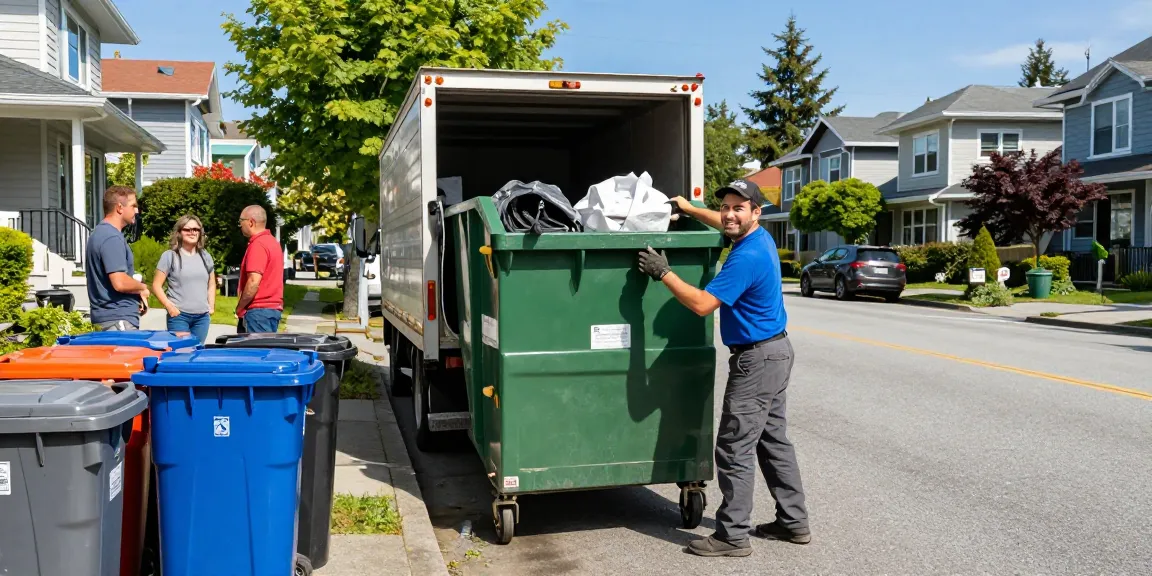
Understanding the Vancouver Bin Rentals Market in 2026
The Vancouver bin rental market has evolved significantly over the past few years, driven by changing consumer preferences, environmental concerns, and advancements in technology. As more residents and businesses seek efficient waste management solutions, understanding the options available in the market has never been more critical. Vancouver Bin Rentals offer a variety of choices tailored to different needs, from home renovations to large construction projects.
Key Trends in Waste Management Services
In 2026, the trend towards sustainability is reshaping the waste management landscape. More companies are investing in eco-friendly practices, such as recycling and composting initiatives. The implementation of stricter government regulations on waste disposal has also pushed bin rental services to adopt greener technologies, leading to the use of cleaner trucks and recyclable bin materials.
Additionally, the demand for on-demand services is increasing. Customers expect quick responses and flexible rental terms, prompting bin rental companies to streamline operations and enhance customer service through digital platforms. This aligns with a broader trend in e-commerce, where convenience is paramount.
Consumer Preferences for Bin Sizes and Types
When it comes to bin sizes, consumers in Vancouver exhibit diverse preferences. Based on recent surveys and market data, 10-yard and 20-yard bins remain the most popular choices for residential projects, like spring cleaning or small renovations. However, larger 30-yard bins are gaining traction among commercial clients who require more substantial waste capacity for construction or demolition projects.
Moreover, specialized bins for specific types of waste, such as yard waste or hazardous materials, are becoming increasingly essential. Customers are more conscious of the types of waste they generate and are seeking rental options that allow for proper disposal and recycling.
Environmental Regulations Impacting Rentals
Environmental regulations heavily influence the Vancouver bin rental market. In recent years, the city has enacted policies aimed at reducing landfill waste, encouraging composting, and increasing recycling rates. As a result, bin rental companies must adapt by offering services that comply with these regulations, such as providing recycling bins and ensuring proper waste sorting. Companies that can demonstrate compliance not only benefit from positive community perception but also enhance their operational efficiency.
Choosing the Right Bin for Your Needs
With so many options available, choosing the right bin rental can be a challenge. Understanding specific needs based on the volume and type of waste to be disposed of is crucial. This guide will help clarify your choices.
Assessing Residential vs. Commercial Bin Rentals
Residential bin rentals typically cater to home improvement projects, cleanouts, or yard work. These bins often come in smaller sizes, ranging from 5-yard to 20-yard capacities. In contrast, commercial bin rentals are designed for larger projects and can range from 20 to 40 yards, accommodating construction debris, bulk materials, and large-scale waste removal.
Identifying the scope of your project is vital for selecting the appropriate bin size. Residential customers should consider factors like the volume of waste generated and the duration for which the bin will be needed, while commercial customers may prioritize frequency of pickups and their disposal needs.
Comparing Bin Sizes: What You Should Know
Understanding the different bin sizes available can save you time and money. Here’s a quick comparison:
- 5-Yard Bins: Ideal for small cleanouts and minor renovations. Holds about 1-2 pickup truck loads.
- 10-Yard Bins: Suitable for small basement or garage cleanouts. Holds about 3-4 pickup truck loads.
- 20-Yard Bins: Perfect for larger renovations or multiple room cleanouts. Holds about 6-8 pickup truck loads.
- 30-Yard Bins: Best for big projects like home remodeling or construction debris. Holds about 9-12 pickup truck loads.
- 40-Yard Bins: Designed for extensive construction or commercial projects. Holds about 12-16 pickup truck loads.
Evaluating project requirements can help determine the most cost-effective and efficient bin size.
Cost Analysis of Vancouver Bin Rentals
The cost of renting a bin in Vancouver varies significantly depending on several factors, including size, rental duration, and type of waste disposed of. Typically, rental prices can range from $125 for smaller bins to upwards of $600 for larger, specialized bins.
When analyzing costs, consider additional factors such as delivery fees, disposal fees (which may apply to certain types of waste), and any extra charges for extended rental periods. By being aware of these variables, you can make a more informed decision about which provider and bin best suits your budget and needs.
Best Practices for Efficient Bin Rental Services
Optimizing bin rental services involves adopting efficient practices that enhance customer satisfaction while also maintaining compliance with regulations.
Streamlined Booking Processes for Customers
Today’s customers value efficiency. Offering an easy, online booking system can significantly enhance customer experience. Streamlining the booking process means fewer frustrations for clients and can lead to increased bookings. Features such as real-time availability, transparent pricing, and online payments are becoming standard expectations.
Additionally, having a mobile-friendly website can accommodate customers looking for services on the go, further enhancing engagement and conversion rates.
Maintaining Cleanliness and Compliance
Ensuring that rental bins are clean and properly maintained not only improves customer satisfaction but also ensures compliance with local regulations. Regular cleaning schedules and inspections can prevent contaminations and ensure bins are ready for immediate use upon delivery.
Education on proper waste disposal practices should also be provided to clients to encourage compliance, ultimately supporting the city’s waste reduction goals.
Maximizing Bin Usage and Reducing Waste
Implementing best practices to optimize bin usage can contribute significantly to reducing waste. Encouraging clients to make use of the entire bin capacity before pickup can minimize empty trips and associated costs. Moreover, offering informative resources on waste sorting and recycling can further support customers in making environmentally conscious choices.
Marketing Your Bin Rental Service Effectively
To succeed in the competitive Vancouver bin rental market, effective marketing strategies are crucial. Here are some key strategies for enhancing visibility and attracting customers.
Leveraging Local SEO for Visibility
Optimizing your online presence for local search is vital for attracting nearby customers. Utilizing local SEO tactics, including targeted keywords like “Vancouver Bin Rentals,” can help your business rank higher in search results. Ensuring your business is listed on local directories and maps can also drive foot traffic and online inquiries.
Creating content related to local events, projects, or community initiatives can position your company as an authority and help build connections within the community.
Utilizing Social Media for Engagement
Engaging with potential customers through social media platforms allows for real-time interaction and feedback. Share informative content, customer testimonials, and before-and-after project photos to showcase the effectiveness of your services. Running promotions or contests on social media can also encourage sharing and increase visibility.
Building Partnerships with Local Businesses
Creating strategic partnerships with local construction companies, real estate agents, or event planners can provide a steady stream of referrals. Collaborating with these businesses could involve mutually beneficial offers, discounts, or promotional events where both parties benefit from increased exposure.
Future Trends for Bin Rentals in Vancouver
The bin rental industry is continuously evolving. Staying ahead of future trends can help businesses remain competitive and relevant.
Innovations in Eco-Friendly Waste Disposal
As environmental concerns grow, companies are increasingly adopting eco-friendly disposal methods. Innovations such as biodegradable bins and waste-to-energy conversion technologies are on the rise. Companies prioritizing sustainability can expect to attract environmentally-conscious customers and enhance their market positioning.
Technology’s Role in Streamlining Rentals
Technology is transforming the bin rental process. Solutions such as GPS tracking for bin locations, predictive analytics for demand forecasting, and mobile applications for customer engagement are becoming more common. Investing in technology can lead to greater efficiency and reduced operational costs.
Anticipating Changes in Local Legislation
With the city’s ongoing efforts to manage waste sustainably, businesses must remain adaptable to ongoing legislative changes. Staying informed about new regulations and guidelines will ensure compliance and can create opportunities for businesses that offer compliant solutions.
What are the typical costs associated with Vancouver Bin Rentals?
Costs vary based on bin size and rental duration. Smaller bins may start around $125, while larger options can exceed $600.
How do I choose the right size for my bin rental?
Assess your waste volume and type. For smaller home projects, 5-20 yard bins are ideal, while larger constructions may require bins of 30 yards or more.
Are there eco-friendly options for bin rentals in Vancouver?
Yes, many companies now offer eco-friendly bins and services that promote recycling and proper waste disposal.
What types of waste can be disposed of in rental bins?
Common waste types include household garbage, construction debris, yard waste, and recyclable materials. Ensure to check with your provider for specifics.
How long can I keep a rental bin before it needs to be returned?
Rental periods typically range from a few days to a week, with options for extensions depending on provider policies.