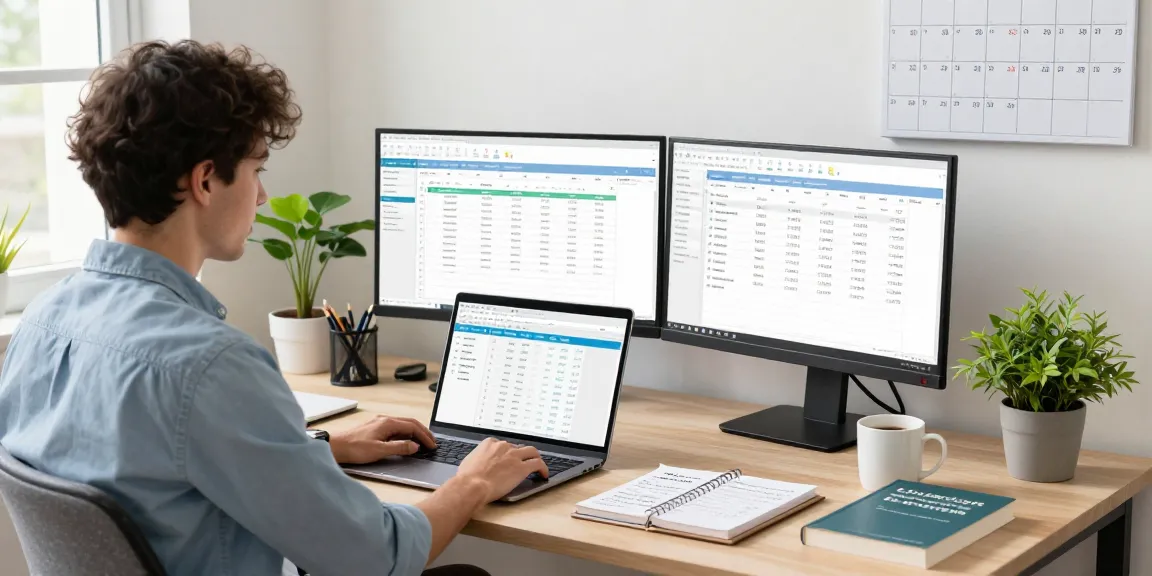
Understanding Accounting Software for Small Businesses
In today’s fast-paced business landscape, small businesses are increasingly turning to technology to simplify their financial processes. Accounting software for small business serves as a critical tool to manage everything from invoicing and payroll to tax preparation and financial reporting. As entrepreneurs juggle multiple responsibilities, investing in reliable accounting software becomes essential not only for streamlining operations but also for ensuring compliance and maintaining accurate financial records. When exploring options, accounting software for small business can provide comprehensive insights that empower business owners to make informed decisions.
What is Accounting Software?
Accounting software is a digital solution that helps businesses manage their financial transactions and report on financial performance. These tools automate various accounting functions, allowing small business owners to track income and expenditures, prepare financial statements, and oversee budgets effectively. There are two main types: cloud-based software, which allows access from anywhere with an internet connection, and on-premise solutions, which are installed locally on a company’s servers.
Key Features of Accounting Software for Small Businesses
- Invoicing and Billing: Easily create and send invoices to clients, manage payments, and track overdue amounts.
- Expense Tracking: Capture and categorize expenses, making it simpler to manage cash flow and prepare for tax time.
- Reporting and Analytics: Generate financial reports, such as income statements and balance sheets, to gain insights into business performance.
- Multi-Currency Support: Essential for businesses operating internationally, allowing transactions in different currencies.
- Integration Capabilities: Connect with other software applications, such as CRM systems and payment processors, to create a seamless workflow.
Benefits of Using Accounting Software
Utilizing accounting software offers numerous advantages, especially for small businesses. One of the primary benefits is time savings; by automating repetitive tasks, entrepreneurs can focus on core business strategies rather than manual calculations. Additionally, accounting software enhances accuracy, reducing the likelihood of human errors that can lead to costly mistakes. Furthermore, the ability to produce real-time financial data allows for better financial planning and cash flow management, giving business owners peace of mind.
Choosing the Right Accounting Software
Factors to Consider When Selecting Software
When selecting accounting software, small business owners should consider several factors to ensure they choose the right fit for their needs. Key considerations include:
- Scalability: As your business grows, the software should be able to accommodate increased transactions and new users.
- User-Friendliness: A straightforward interface is vital, particularly for those who may not have a financial background.
- Customer Support: Reliable support can make a significant difference, especially during the software setup and integration process.
- Compliance Features: Ensure that the software adheres to the latest financial regulations and can assist with tax compliance.
Top Accounting Software Options for Small Businesses
Numerous accounting software options cater to small businesses, each with unique features tailored to various needs. Some top contenders include:
- QuickBooks: Known for its comprehensive features, it offers solutions for various business types with powerful invoicing and reporting capabilities.
- Xero: A cloud-based option that is user-friendly, with robust inventory management and collaboration features.
- FreshBooks: Ideal for service-based businesses, it provides excellent invoicing and payment processing capabilities.
- Wave: A free accounting software option that provides essential tools for small businesses, from invoicing to receipt scanning.
Comparative Analysis of Pricing and Features
Pricing can vary significantly among accounting software options. Below is a brief comparative analysis of some popular choices:
| Software | Starting Price | Key Features |
|---|---|---|
| QuickBooks | $25/month | Invoicing, expense tracking, reporting, multi-user access |
| Xero | $12/month | Inventory management, billing, bank reconciliation |
| FreshBooks | $15/month | Time tracking, invoicing, client management |
| Wave | Free | Invoicing, receipt scanning, accounting |
Implementing Accounting Software Effectively
Step-by-Step Installation Guide
Implementing new accounting software can seem daunting, yet with a well-structured plan, the process can be seamless. Here’s a step-by-step guide:
- Research and Selection: Choose the software that meets your business needs based on features, scalability, and budget.
- Data Migration: Ensure proper transfer of existing financial data into the new system, maintaining accuracy throughout.
- Configuration: Set up the software according to your business structure, including accounts, tax rates, and custom templates.
- Testing: Conduct thorough testing to ensure the software functions as expected with your data.
- Go Live: Launch the software for operational use, monitoring for any technical issues that may arise.
Integrating Software with Existing Systems
To maximize the effectiveness of accounting software, it’s crucial to integrate it with existing systems, such as customer relationship management (CRM) or inventory management systems. Successful integration can lead to improved operational efficiency and data visibility across business functions. Software that offers API access or pre-built integrations with other platforms can simplify this process significantly.
Training Employees on New Software
Training is a critical component of successful software implementation. Providing comprehensive training sessions for employees ensures they can use the software effectively and exploit its features. Consider a combination of guided tutorials, hands-on practice, and ongoing support to facilitate a smooth transition. A well-trained workforce can enhance productivity and reduce the learning curve associated with new technology.
Maximizing the Use of Accounting Software
Automation Features to Streamline Processes
Automation is one of the most powerful features of modern accounting software. By automating tasks such as invoicing, payment reminders, and reconciliations, businesses can save time and minimize errors. Additionally, automated reporting tools can generate insights without manual input, allowing entrepreneurs to focus on strategic planning.
Leveraging Data Analytics for Business Insights
Data analytics tools embedded in accounting software can transform raw financial data into valuable insights. By analyzing trends in sales, expenses, and cash flow, businesses can make data-driven decisions that promote growth. Utilizing these insights allows for more accurate budgeting, forecasting, and strategic planning.
Best Practices for Financial Reporting and Compliance
Ensuring compliance with financial regulations is paramount for any business. Here are some best practices to follow:
- Regularly Update Records: Keep financial records up to date to avoid discrepancies during audits.
- Use Standardized Reporting Formats: Adhering to standardized formats simplifies the review process and ensures clarity.
- Stay Informed on Regulatory Changes: Regularly educate yourself and your team on evolving financial regulations to remain compliant.
The Future of Accounting Software for Small Businesses
Emerging Trends in Accounting Technology for 2026
The landscape of accounting technology is constantly evolving. For small businesses, keeping abreast of emerging trends is vital for harnessing the latest offerings. Notable trends anticipated for 2026 include:
- Increased Use of Artificial Intelligence (AI): AI will play a significant role in automating tasks, providing predictive analytics, and enhancing cybersecurity.
- Integration of Blockchain Technology: Blockchain could revolutionize how transactions are recorded and verified, increasing transparency and security.
- Mobile Accounting Solutions: Mobile functionality will continue to grow, allowing business owners to manage finances on-the-go.
Impact of AI on Small Business Accounting Solutions
AI has the potential to revolutionize accounting processes for small businesses. By automating routine tasks, AI can minimize errors and provide predictive insights for better financial forecasting. Tools like intelligent virtual assistants may assist in managing day-to-day transactions, while machine learning algorithms analyze spending patterns and suggest cost-cutting measures.
Preparing for Changes in Financial Regulations
As financial regulations evolve, small businesses must prepare to adapt their accounting practices accordingly. Staying informed about regulatory changes—such as tax law modifications or data protection standards—will be crucial. Investing in accounting software with built-in compliance features can also facilitate adherence to new regulations, ensuring that businesses remain competitive and avoid costly penalties.
What Are the Benefits of Accounting Software?
The benefits of adopting accounting software are extensive. It not only simplifies the management of financial tasks but also enhances accuracy and provides real-time insights into business performance. This leads to better strategic planning and informed decision-making, essential for the growth and sustainability of small businesses.
How Can Accounting Software Help Small Businesses Grow?
By automating routine financial tasks, providing detailed reports, and facilitating regulatory compliance, accounting software can significantly enhance operational efficiency. This increased efficiency frees up time for small business owners to focus on growth strategies, customer service, and innovation.
What Should You Look for in Accounting Software?
When choosing accounting software, consider factors like user experience, feature set, scalability, and cost. Assessing these elements against your specific business needs will help ensure you choose software that enhances your operations and supports growth.
Why is Accounting Software Important for Small Business?
Accounting software is vital for small businesses as it streamlines financial management, ensures accuracy in reporting, and maintains compliance with regulations. It also provides critical insights that can guide business strategies and enhance decision-making processes.
Can Accounting Software Simplify Tax Preparation?
Absolutely. Good accounting software simplifies tax preparation by keeping organized records of all transactions throughout the year. This organization makes it easier to compile necessary documents and report income and expenses accurately, reducing the stress associated with tax season.