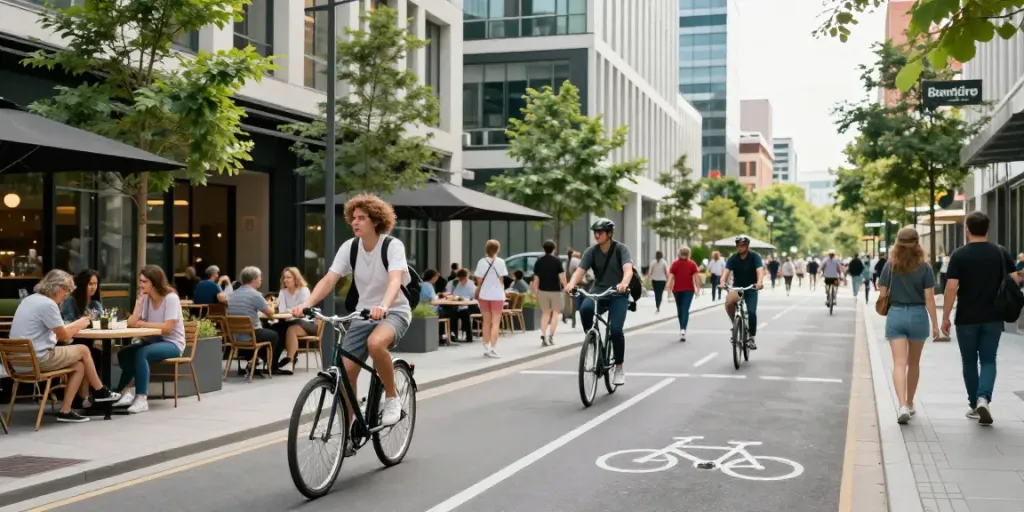
Understanding Urban Mobility Trends
Urban mobility is fundamentally reshaping how cities operate, influencing everything from economic structures to daily commuter experiences. As cities experience rapid growth, understanding urban mobility trends becomes crucial for effective planning and development. The key components of urban mobility include public transportation systems, pedestrian-friendly infrastructure, and emerging technologies that enhance connectivity. In this context, platforms like streek.ca are providing essential tools and insights for navigating urban transport, emphasizing sustainability and efficiency.
What is Urban Mobility?
Urban mobility refers to the movement of people and goods within a city, involving various modes of transport such as cars, buses, trains, bicycles, and walking. This concept encompasses the infrastructure, technologies, and services that facilitate transportation. In modern urban environments, effective mobility solutions are increasingly focused on enhancing accessibility, reducing congestion, and minimizing environmental impacts.
Evolution of Transportation Options
The evolution of transportation options in urban settings has been marked by significant shifts over the decades. Traditionally dominated by personal vehicles, cities are now witnessing a resurgence in public transportation, cycling, and walking, driven by rising environmental concerns and advancements in technology. Historical modes of transport such as streetcars and trolleys are making a comeback, as cities seek to reduce carbon emissions and manage urban sprawl more effectively.
The Role of Technology in Modern Transport
Technology plays a pivotal role in transforming urban mobility. Innovations such as real-time tracking systems, mobile applications for ride-sharing, and electric vehicles are leading the charge toward smarter transport solutions. Additionally, data analytics allows city planners to make informed decisions about infrastructure investments, ultimately leading to improved mobility services tailored to the needs of urban residents.
Benefits of Sustainable Transportation
Transitioning to sustainable transportation methods can yield numerous benefits for individuals and communities alike. From reducing traffic congestion to lowering carbon emissions, eco-friendly transport options are vital for the well-being of urban populations. Understanding these benefits helps underline the importance of using platforms like streek.ca, which advocate for sustainable urban transport solutions.
Environmental Impact of Eco-Friendly Commuting
One of the most significant advantages of sustainable transportation is its positive impact on the environment. Modes such as cycling, walking, and public transit produce fewer emissions compared to private vehicles. By encouraging these transport options, cities can help combat climate change, reduce air pollution, and enhance overall urban livability.
Cost-Effectiveness of Using Public Transport
Public transport systems often provide a more cost-effective alternative to owning and maintaining a private vehicle. Expenses related to fuel, insurance, parking, and maintenance can accumulate quickly, while public transport fares are typically much lower. Moreover, many cities are investing in modernizing their transit systems, making them more reliable and user-friendly.
Health Benefits of Active Transportation Methods
Active transportation methods such as walking and cycling not only reduce environmental footprints but also promote better health outcomes. Engaging in regular physical activity can lower the risk of chronic illnesses, improve mental health, and enhance overall quality of life. By fostering environments that prioritize walking and cycling, cities contribute to the well-being of their residents.
Exploring Features of streek.ca
User-Friendly Interface and Features
Streek.ca offers a user-friendly interface designed to simplify the experience of urban commuting. Users can easily access information about public transit schedules, routes, and real-time updates. This platform prioritizes usability, ensuring that both tech-savvy individuals and those less familiar with digital tools can navigate urban transport options effortlessly.
Integration with Local Transport Services
One of the standout features of streek.ca is its integration with local transport services. By consolidating data from various transportation options, the platform provides users with a holistic view of their commuting choices. This comprehensive approach enhances the efficiency of urban mobility and encourages residents to explore sustainable transport methods.
Community Engagement and Feedback Mechanisms
Streek.ca prioritizes community engagement by incorporating feedback mechanisms that allow users to share their experiences and suggestions. This participatory approach enables continuous improvement of the platform and helps address the unique needs of urban commuters. Additionally, it fosters a sense of community ownership over local transportation solutions.
Real-Life Success Stories
Numerous cities around the world are embracing innovative solutions to enhance urban mobility. These success stories serve as models for other urban areas aiming to implement sustainable transportation strategies.
Case Studies of Cities Embracing Eco-Friendly Solutions
Cities like Amsterdam and Copenhagen have set world standards for sustainable urban transport. Both cities have invested heavily in cycling infrastructure, public transport systems, and pedestrian-friendly spaces. These advancements have not only improved mobility but also contributed to higher quality of life and reduced environmental impacts. Such examples illustrate the importance of strategic planning and investment in sustainable transport solutions.
Testimonials from Users of streek.ca
User testimonials highlight the effectiveness of streek.ca in improving daily commuting. Many users appreciate the platform’s ease of access to real-time transit information, while others commend the community feedback features that allow them to influence local transport policies. Such positive experiences reflect the platform's commitment to enhancing urban mobility.
Impact on Local Communities and Economy
Improving urban mobility through sustainable means can significantly impact local economies. Enhanced transport options can boost local businesses, attract tourists, and create jobs in green industries. By fostering a well-connected urban environment, cities encourage economic growth that benefits the community as a whole.
Future Trends in Urban Transportation
As urban areas continue to evolve, several future trends are likely to shape the landscape of urban transportation. Understanding these trends is essential for city planners, policymakers, and residents aiming to navigate the complexities of urban mobility.
Emerging Technologies in Public Transport
Emerging technologies, such as autonomous vehicles and smart traffic management systems, are at the forefront of transforming public transport. These innovations promise to enhance safety, efficiency, and accessibility, paving the way for more streamlined urban commuting experiences.
Predictions for Urban Mobility in 2026 and Beyond
Looking ahead to 2026, predictions suggest that urban mobility will become increasingly integrated and eco-friendly. We can expect greater use of electric and hybrid vehicles, expanded public transport networks, and the rise of mobility-as-a-service platforms that allow users to plan seamless journeys across multiple modes of transport.
Recommendations for Future Transport Policies
To promote sustainable urban mobility, policymakers should prioritize investments in public transport infrastructure, implement zoning regulations that support mixed-use developments, and encourage programs that facilitate active transportation. By adopting a comprehensive approach to transport policy, cities can create resilient urban environments that cater to the diverse needs of their populations.
What are the main goals of streek.ca?
The primary goals of streek.ca include enhancing urban mobility by providing comprehensive transport information, promoting sustainable transportation alternatives, and fostering community engagement in transit planning. By focusing on these objectives, the platform aims to contribute positively to urban living.
How can I benefit from using streek.ca?
Using streek.ca can benefit individuals by providing easy access to real-time transit data, fostering awareness of sustainable transport options, and encouraging active participation in community transport planning. Users can navigate their commuting choices with greater efficiency and confidence.
What are the environmental benefits of using sustainable transport?
Sustainable transport options, such as public transit, cycling, and walking, lead to significant reductions in greenhouse gas emissions, air pollution, and traffic congestion. Embracing these methods not only mitigates climate change but also contributes to healthier urban environments.
How does urban mobility affect community health?
Urban mobility directly influences community health by shaping residents' access to essential services, promoting physical activity, and reducing pollution. A well-designed transport system can lead to improved mental and physical well-being, making it vital for city planners to prioritize health in mobility strategies.
What technologies are shaping the future of transportation?
Technologies such as autonomous vehicles, electric mobility solutions, smart city infrastructure, and data analytics are driving the future of transportation. These innovations promise to enhance the efficiency, safety, and sustainability of urban transport systems, creating a more connected and environmentally friendly urban landscape.