Understanding Standing Seam Metal Roofing
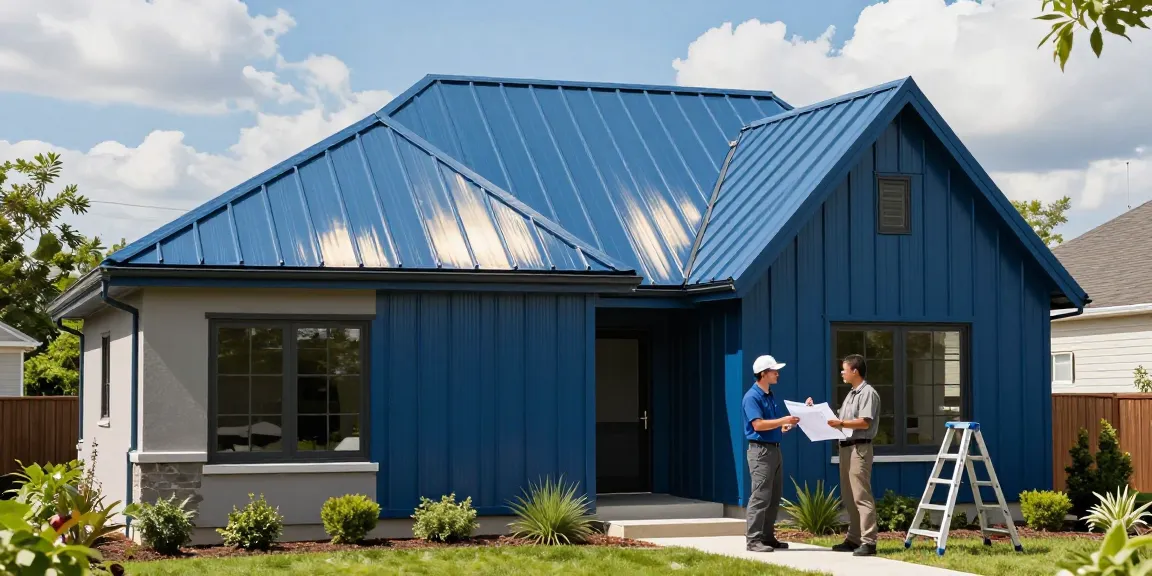
Standing seam metal roofing has become a leading choice for homeowners and builders alike, especially in regions like Ontario where both aesthetics and functionality are crucial. This roofing system features vertical panels that interlock at the seams, providing an elegant and modern appearance while ensuring top-notch performance against the elements. With its minimalist design and robust construction, standing seam roofing effectively meets the needs of both residential and commercial properties, making it increasingly popular across diverse architectural styles.
When exploring options, standing seam metal roofing Ontario provides comprehensive insights into the advantages and installation processes associated with this roofing type, helping you to make an informed decision for your project.
What Is Standing Seam Metal Roofing?
Standing seam metal roofing is characterized by vertical panels that are mechanically seamed or snap-fit together at the seams. Unlike traditional roofing materials, this roofing type employs a concealed fastening system that enhances its visual appeal and durability. The panels are elevated, allowing water to flow off easily, which decreases the likelihood of leaks and roof damage. This structural configuration is particularly beneficial in regions with heavy snowfall or rainfall, as it promotes effective drainage.
Benefits of Choosing This Roofing Type
- Minimal Maintenance: Once installed, standing seam roofs require less maintenance compared to traditional roofing systems. Their durable materials resist fading and corrosion, minimizing the need for repairs.
- Enhanced Aesthetic Appeal: The sleek, modern look of standing seam roofing adds significant curb appeal to properties, making them attractive to potential buyers.
- Energy Efficiency: These roofs are designed to reflect solar heat, helping to reduce energy costs during the summer months.
- Longevity: With an expected lifespan of up to 50 years, standing seam metal roofs are a cost-effective investment in the long run.
Common Misconceptions About Metal Roofing
Despite their rising popularity, there are several misconceptions surrounding metal roofing. One common myth is that metal roofs are noisy during rainstorms. In reality, the sound produced depends largely on the installation process and insulation used. Additionally, many believe that metal roofs can attract lightning; however, metal roofing is no more likely to be struck by lightning than other roofing types. Understanding these misconceptions can help homeowners make informed decisions about their roofing options.
Durability and Longevity in Ontario’s Climate
Weather Resistance of Standing Seam Metal Roofing
Ontario’s climate presents unique challenges for roofing materials, including extreme temperatures and severe weather conditions. Standing seam metal roofs are specifically designed to withstand heavy snow loads, high winds, and temperature fluctuations. Their interlocking design works to prevent water accumulation and ice damming, significantly reducing the risk of leaks and structural damage. Furthermore, these roofs are treated with protective coatings that enhance their corrosion resistance, ensuring a long-lasting performance even in harsh weather scenarios.
Impact of Extreme Weather on Roof Lifespan
Extreme weather can drastically affect a roof’s lifespan, but standing seam metal roofing is built to endure such conditions. The materials used—typically high-quality galvanized steel—are selected for their strength and durability. In Ontario, where the winters can be particularly harsh, choosing a roofing system capable of resisting snow and ice can prolong the life of the structure beneath it, ultimately reducing replacement costs for homeowners.
Choosing the Right Gauge for Your Needs
When selecting a standing seam metal roof, the gauge of the metal plays a significant role in durability and performance. The most common gauges used are 24 and 26, with 24-gauge metal offering greater resistance to physical damage, making it ideal for areas prone to hail or high winds. Conversely, a 26-gauge roof is lighter and might be suitable for less severe conditions. Homeowners should assess their local climate and specific needs when determining the appropriate gauge for their standing seam roof.
Energy Efficiency and Cost-Effectiveness
How Standing Seam Roofing Affects Energy Bills
The energy efficiency of standing seam metal roofing is one of its standout features. These roofs excel at reflecting solar radiant heat, which can lead to significant cost savings on cooling bills during the summer months. By incorporating energy-efficient insulation materials during installation, homeowners can further enhance the roof’s ability to maintain comfortable indoor temperatures year-round, ultimately translating into lower energy expenses.
Calculating the Long-Term Savings
While standing seam metal roofs may have a higher initial cost compared to traditional roofing materials, their long-term savings can be substantial. Homeowners can expect to recoup their investment through reduced energy bills, decreased maintenance costs, and an extended roof lifespan. It is essential to consider these factors when evaluating the overall cost of roofing options to ensure a sound financial decision.
Understanding Initial Investment vs. Future Returns
Investing in a standing seam metal roof is often seen as a premium choice. However, when weighing the initial costs against future returns, it becomes clear that this roofing type represents excellent value. With warranties typically extending up to 50 years, homeowners can rest assured that they are making a sound investment that not only elevates their property’s aesthetics but also protects it against the elements.
Installation Process and Maintenance
Step-by-Step Installation Guide
Installing a standing seam metal roof involves several crucial steps that ensure its integrity and longevity. Here’s a brief overview of the process:
- Preparation: Ensure the roof deck is clean, dry, and free from imperfections or debris. This step is essential for the overall durability of the roof.
- Underlayment Installation: A water-resistant underlayment is laid down to prevent moisture penetration.
- Panel Installation: The metal panels are installed starting from the bottom and moving upward, ensuring that the seams interlock properly.
- Seaming Process: Mechanical seaming or snap-locking the panels together is done using specific tools to ensure a tight fit.
- Finishing Touches: All edges, ridges, and ventilation components are sealed to provide complete weather resistance.
Maintenance Tips for Longevity
While standing seam roofs are relatively low-maintenance, periodic inspections are advisable to ensure their longevity. Homeowners should check for:
- Dirt or debris accumulation, which can impede water flow.
- Signs of rust or corrosion.
- Loose panels or fasteners that may need tightening.
- Blocked gutters and downspouts.
By addressing these issues promptly, homeowners can ensure their standing seam metal roof continues to perform optimally for decades.
Common Installation Pitfalls to Avoid
Even with the best materials, improper installation can lead to problems down the line. Common pitfalls include inadequate sealing of seams, neglecting to install a proper underlayment, or using insufficient fasteners. To avoid these issues, hiring a qualified and experienced contractor is crucial. Additionally, ensuring that the roofing crew follows manufacturer guidelines can prevent costly mistakes and guarantee a long-term investment.
Future Trends in Roofing Technology
Innovations in Metal Roofing for 2026
The roofing industry is continuously evolving, and standing seam metal roofing is no exception. Innovations such as improved metal coatings that enhance durability and aesthetic options will become common. Additionally, advancements in installation techniques and equipment may reduce labor costs and installation times, making these roofs more accessible to a broader audience.
Eco-Friendly Options in Metal Roofing
As sustainability becomes increasingly important, many manufacturers are investing in eco-friendly materials and practices. Recycled metals are being used more frequently, and companies are exploring ways to minimize waste during the manufacturing and installation processes. Homeowners looking for sustainable options will find that standing seam roofs can align with their eco-conscious values.
Anticipating Changes in Consumer Preferences
In the coming years, consumer preferences are likely to shift towards more personalized and durable roofing solutions. With a growing emphasis on sustainable living and energy efficiency, standing seam metal roofing will continue to appeal to those who prioritize these values in their home improvement projects. The ability to customize colors and finishes will also contribute to its enduring popularity.
How Durable is Standing Seam Metal Roofing? FAQ
Standing seam metal roofs are renowned for their durability, often lasting upwards of 50 years with proper maintenance. Their construction is designed to withstand harsh weather conditions, making them an ideal choice for regions like Ontario.
What are the Installation Costs for Metal Roofing?
Installation costs for standing seam metal roofing can vary based on factors such as roof size, gauge of metal used, and the complexity of installation. Typically, homeowners can expect to pay between CAD $10 to $18 per square foot, including installation.
Is Standing Seam Metal Roofing Worth the Investment?
Yes, standing seam metal roofing is worth the investment given its durability, energy efficiency, and low maintenance requirements. Long-term savings on energy and maintenance costs often outweigh the initial investment.
What Colors and Finishes Are Available for Customization?
Standing seam metal roofs come in a wide range of colors and finishes, allowing homeowners to choose an option that matches their aesthetic preferences. Popular choices include classic shades like black, white, and gray, as well as vibrant options that can enhance the overall look of the property.
How to Choose the Right Contractor for Installation?
Choosing a qualified contractor is crucial for the success of your standing seam metal roofing project. Look for contractors with experience in metal roofing, check for reviews and references, and ensure they are licensed and insured. A reputable contractor will guide you through the selection process and ensure that the installation is performed according to industry standards.