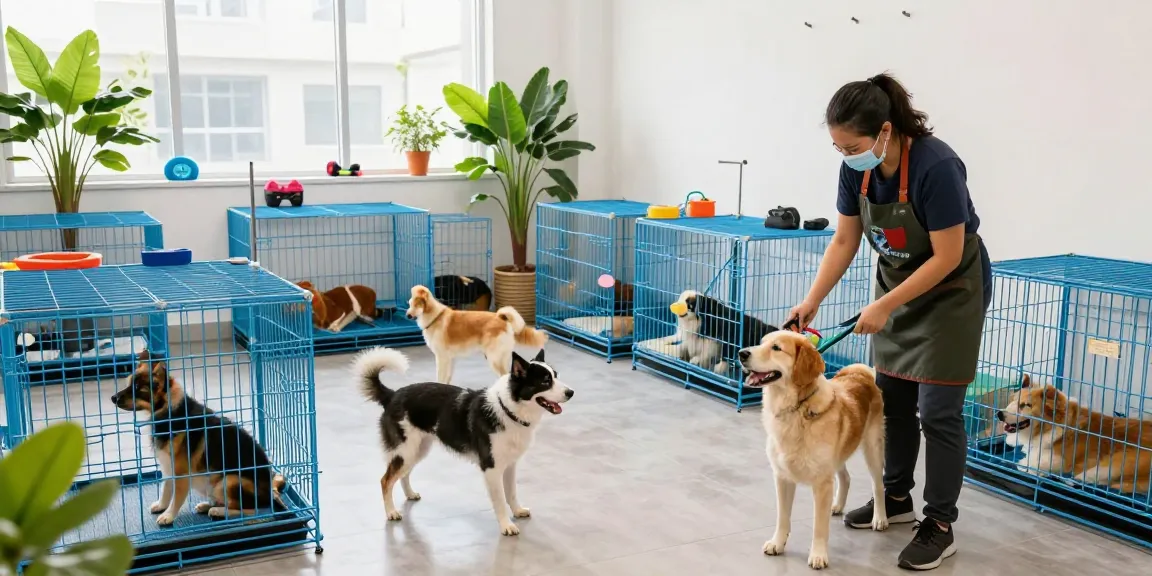
Understanding the Need for Pet Boarding Cages
As a pet boarding professional, the well-being and safety of animals in your care is paramount. Choosing the right Pet Boarding cages for sale is crucial to creating a comfortable and secure environment. Whether you operate a grooming facility, a rescue organization, or a pet daycare, the cages you select play an integral role in how animals experience their stay. Understanding the unique requirements of your boarding facility can guide you through the process of selecting high-quality cages that fit your operational needs.
Why Quality Matters in Pet Boarding Cages?
Quality is fundamentally important in the design and manufacture of pet boarding cages, as it directly impacts the health and comfort of the animals within. Poorly designed cages can lead to stress for the pets, affecting their behavior and overall well-being. High-quality cages not only provide a safe haven for pets but also enable you to maintain a professional and inviting atmosphere in your facility.
The Impact of Cage Design on Animal Welfare
Animal welfare is significantly influenced by cage design. Engaging and spacious environments can help reduce anxiety in pets. Cages should provide ample room for animals to move, rest, and engage in natural behaviors. Features such as transparent walls or open designs can help animals feel less confined and more at ease. Additionally, incorporating enriching elements, such as climbing shelves for cats or toys for dogs, can help enhance their experience in your care.
Choosing the Right Size and Style for Your Facility
Selecting the appropriate size and style of cages depends on the types and sizes of pets you cater to. Smaller breeds may require less space than larger ones, while cats often thrive better in condos that allow vertical movement. It’s essential to assess your facility’s space and the expected volume of pets to ensure you choose cages that optimize your layout while still providing comfort and safety.
Features to Look for in Pet Boarding Cages
Durability and Material: Why It’s Crucial?
When investing in pet boarding cages, durability should be at the top of your list of criteria. Cages made from quality materials such as stainless steel or heavy-duty plastic are crucial for resisting wear and tear. These materials are not only sturdy but also easier to clean and maintain, thereby ensuring longevity and a hygienic environment for your pets.
Safety Features That Protect Pets
Safety features are non-negotiable in pet boarding cages. Look for cages equipped with secure locking mechanisms to prevent escapes, as well as rounded edges to minimize injury risk. Escape-proof designs are particularly important in boarding facilities, where pets may be anxious and prone to attempts to flee. Additionally, non-toxic materials should be prioritized to ensure the health and well-being of animals.
Convenient Maintenance and Hygiene Considerations
Maintaining cleanliness and hygiene is essential in any pet boarding facility. Cages that offer easy access for cleaning, including removable trays or surfaces that can be wiped down, can save time and effort during busy periods. Consider cages with surfaces that are resistant to odors and stains, as these features contribute to a healthier environment for your furry guests.
Comparing Types of Pet Boarding Cages
Modular vs. Fixed Cages: Which Is Better?
Modular cages offer flexibility regarding layout and space. They can be reconfigured to adapt to changing needs and accommodate different types of animals. Fixed cages, while often more durable, may limit your ability to adjust your setup as your needs change. Understanding the pros and cons of each type can help you make an informed decision about what’s best for your business.
Single vs. Multi-Dog Units: Pros and Cons
Single dog units can provide a stress-free environment for pets who need their own space, reducing the risk of confrontations or anxiety. Conversely, multi-dog units can optimize space and foster a social experience for pets. When deciding between the two, consider the dynamics of the pets within your care, as well as the specific needs of your facility.
Innovative Designs for Unique Spaces
When it comes to setting up a pet boarding facility, creative cage designs can maximize functionality. From stackable units that save space to custom-built solutions tailored to your facility’s layout, exploring innovative designs can enhance the operational efficiency of your establishment. Additionally, aesthetically pleasing designs can create a welcoming environment for pet owners and their pets alike.
Setting Up Your Pet Boarding Facility
Optimizing Space with Efficient Cage Layouts
Efficient cage layouts are crucial for both the functionality of your facility and the comfort of the animals. Consider flow patterns that allow staff to move easily between areas while maintaining a calm environment for the pets. Using a mix of cage sizes and types throughout the facility can help you optimize space, ensuring that each pet has access to an appropriate and comfortable habitat.
Creating a Comfortable Environment for Animals
Creating a comfortable environment goes beyond cage selection. Factors such as lighting, temperature control, and noise levels can affect how animals feel in your facility. Make sure that your boarding rooms are well-ventilated and adequately lighted, while also considering soundproofing materials that minimize noise and distractions.
Best Practices for Managing a Pet Boarding Operation
Effective management practices can significantly enhance the success of your pet boarding operation. Establish clear protocols for cleaning, feeding, and exercising pets to ensure consistency and quality of care. Regular training for staff on animal handling, customer service, and emergency procedures is also essential for maintaining a safe and effective facility.
Future Trends in Pet Boarding Cages
Technological Innovations in Cage Design for 2026
As we look to the future, innovations such as smart cages with built-in monitoring systems are anticipated to revolutionize pet boarding facilities. These technologies may allow for remote temperature checks, feeding schedules, and even health tracking, ensuring that every pet’s needs are met in real-time.
Eco-Friendly Solutions for Sustainable Boarding Facilities
Sustainability is becoming a crucial consideration for many pet boarding facilities. Eco-friendly materials and practices, including recycled components for cage construction and energy-efficient upgrades to facilities, will not only appeal to environmentally conscious clients but also reduce operational costs in the long term.
Anticipated Changes in Consumer Preferences
As consumer preferences continue to evolve, pet owners are increasingly looking for boarding facilities that prioritize the health and happiness of their pets. This shift is likely to drive demand for more spacious and enriching environments, high-quality materials, and exceptional customer service. Staying ahead of these trends is essential for maintaining a competitive edge in the pet boarding industry.
What are the best materials for pet boarding cages?
The best materials for pet boarding cages typically include stainless steel and durable plastics that provide strength, ease of cleaning, and safety for the animals. These materials also resist odors and stains, making them ideal for busy boarding environments.
How do I ensure safety in my pet boarding facility?
Ensuring safety in a pet boarding facility involves investing in high-quality cages with secure locks and materials that minimize injury risks. Regular inspections and staff training are also essential to maintain a safe environment for both pets and employees.
What size cages are ideal for different dog breeds?
Ideal cage sizes vary by breed; smaller breeds may thrive in cages measuring 24” by 36”, while larger breeds might require cages upwards of 42” in length. It’s crucial to ensure that each cage provides enough space for the dog to stand, turn around, and lie down comfortably.
How often should pet boarding cages be cleaned?
Pet boarding cages should be cleaned regularly, ideally after each use or at least once a day, to maintain hygiene and prevent the spread of disease. In addition to thorough cleaning, routine sanitizing should be practiced to ensure a healthy environment for all pets.
What are the latest trends in pet boarding facilities?
The latest trends in pet boarding facilities include the integration of technology, such as live cameras for pet owners to monitor their pets, and eco-friendly practices that reduce the carbon footprint. With a focus on animal welfare and comfort, modern facilities are now designed to accommodate pets in a more engaging and stress-free environment.