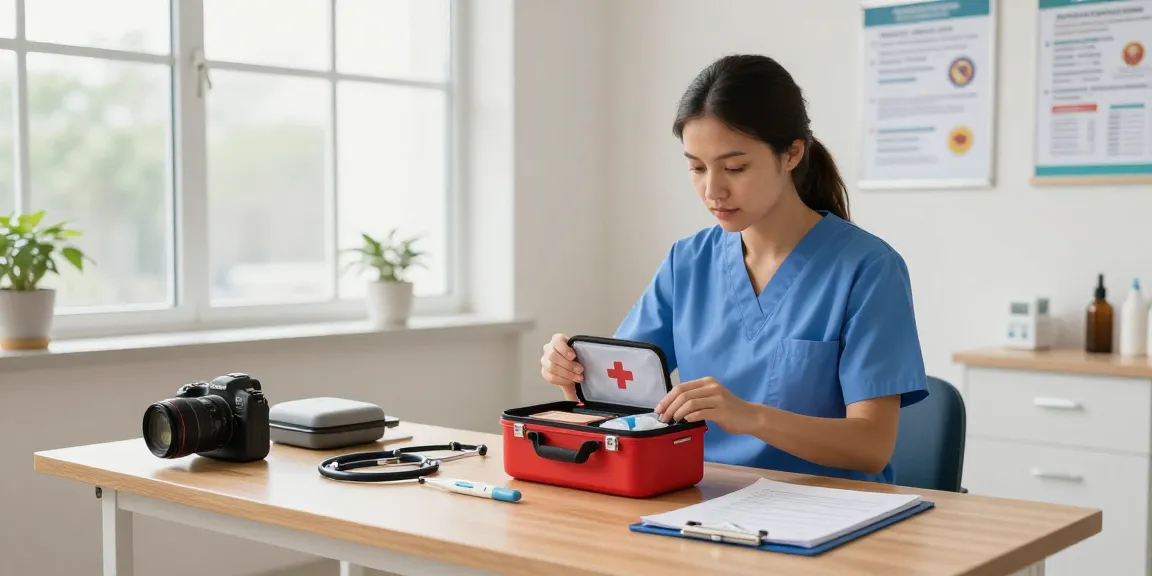
Understanding the Importance of Medical Kits
Medical kits are essential tools designed to provide immediate assistance during emergencies, ranging from minor injuries to critical health situations. Having a well-equipped medical kit can bridge the gap until professional medical help arrives, potentially making a significant difference in outcomes. In today’s fast-paced world, where accidents can occur at any moment, understanding the role of these kits is crucial. When exploring options, Medical kits can serve as reliable resources that equip families with necessary supplies and support.
What Are Medical Kits and Their Uses?
A medical kit, often referred to as a first aid kit, is a collection of supplies and equipment stored together to provide medical care in emergencies. The contents of medical kits can vary widely based on their intended use, location, and the specific needs of the user. Common uses include treating cuts, scrapes, bruises, burns, and other minor ailments, as well as more severe situations like allergic reactions or cardiac arrest.
Essential Components of Effective Medical Kits
- Adhesive Bandages: For covering small wounds and preventing infection.
- Gauze Pads and Adhesive Tape: To manage larger wounds and control bleeding.
- Antiseptic Wipes or Solution: For cleaning wounds to reduce the risk of infection.
- Scissors and Tweezers: Useful for cutting tape, gauze, and removing splinters.
- Elastic Bandage: For supporting sprains or strains.
- Medication: Such as aspirin or antihistamines for allergic reactions.
- Emergency Blanket: To maintain body temperature in case of shock or hypothermia.
Why Every Household Should Have One
Emergencies can happen anywhere and at any time, making it imperative for every household to have a medical kit readily available. In many situations, immediate treatment can alleviate pain, prevent complications, and even save lives. Furthermore, having a kit tailored to the specific needs of family members ensures that everyone is prepared for unique health challenges, whether in daily life, during travel, or during outdoor activities.
Common Mistakes When Choosing Medical Kits
Overlooking Personal Health Needs
One of the most common pitfalls when selecting a medical kit is failing to consider the specific health needs of all family members. Families with children, elderly members, or individuals with chronic conditions should customize their kits to include special medications or equipment necessary for those specific needs. Ignoring these health profiles can leave vulnerable individuals at risk during emergencies.
Ignoring Expiration Dates on Supplies
All medical supplies have a shelf life. Expired medications or medical supplies may become ineffective or even harmful. Regularly checking the expiration dates of items within a medical kit is crucial to ensure that all components are safe and functional. Many people mistakenly assume that their kits are ready for use without regularly updating and checking their contents.
Not Customizing Kits for Specific Activities
Different activities require different supplies. For instance, a medical kit for hiking may need to include items for treating insect bites and outdoor injuries, like snake bites, while a kit for home use might include more bandages and antiseptics. Being mindful of the activities you engage in lets you tailor your medical kit to better suit those situations.
Maintaining Your Medical Kits
Regularly Checking and Updating Supplies
To keep a medical kit functional, it’s essential to establish a schedule for checking its contents at least every six months. This routine should include inspecting for expired items, replenishing used supplies, and updating the kit based on changes in your family’s health or activities. Consistent maintenance ensures that you are always prepared for any situation.
How to Properly Store Medical Kits
The storage of a medical kit can significantly impact its usability during an emergency. It should be stored in a cool, dry place away from direct sunlight and easily accessible to all family members. Additionally, consider keeping a smaller version in your car or when traveling, ensuring that you have access to essential supplies wherever you go.
Signs Your Medical Kit Needs Replacement
While regular maintenance is key, there are also signs that indicate a medical kit may need complete replacement. If you frequently find that many supplies are expired or if the kit has been involved in multiple emergencies with depleted items, it may be more efficient to invest in a new kit rather than attempting to refill it constantly.
Best Practices for Using Medical Kits
How to Respond Effectively with Your Kit
In an emergency, having a plan is as critical as having a medical kit. Familiarize all family members with the kit’s contents and how to use each item properly. Basic first-aid training can go a long way in preparing individuals to handle various scenarios and ensuring that everyone knows how to respond effectively with the supplies available.
Training and Preparation for Emergencies
Regular training helps ensure that emergency responses are swift and effective. Consider taking first-aid and CPR classes offered by local health organizations or Red Cross. Such training not only prepares individuals for medical emergencies but also boosts confidence in managing potentially stressful situations.
Understanding When to Seek Professional Help
While a well-stocked medical kit can handle many situations, it’s crucial to recognize when professional medical assistance is necessary. If someone is experiencing severe trauma, difficulty breathing, or unresponsive behavior, calling emergency services should be the first course of action, as immediate professional help can be life-saving.
Future Trends in Medical Kits (2026 and Beyond)
Innovative Technologies in Medical Supplies
The future of medical kits is poised to be transformed by technological advancements. Smart medical kits that include digital health integrations, such as health monitoring sensors or apps guiding users through emergency situations, are on the rise. These innovations can greatly enhance the efficiency and effectiveness of first aid responses, particularly in home environments.
Increased Focus on First-Aid Training
As awareness of health preparedness grows, an emphasis on first-aid training is expected to increase. Educational institutions and workplaces are incorporating health and safety training into their curricula, ensuring that more people are equipped with the knowledge needed to use medical kits effectively.
Predicted Changes in Health Regulations and Compliance
In response to evolving health challenges and awareness of public health, regulations surrounding medical supplies and first-aid kits are likely to become stricter. Compliance with these evolving standards will ensure that all kits meet minimum health and safety requirements, benefiting consumers and fostering trust in the supplies available on the market.
What should I include in my medical kits?
A well-rounded medical kit should include a variety of supplies tailored to your unique needs. This typically encompasses bandages, antiseptics, pain relief medications, gauze, and any personal medications. Additionally, consider including items like burn cream, a first-aid manual, and a list of emergency contacts.
How often should I check my medical kits?
It is advisable to check your medical kits at least every six months. This ensures that all supplies are current and that you can easily replenish any items that have been used or have expired. Regular maintenance is crucial for preparedness.
Can medical kits be tailored for family needs?
Yes, medical kits can and should be tailored to meet the specific needs of your family. For example, if a family member has allergies, ensure that your kit includes appropriate medications. Similarly, if you have young children, include items relevant to their common injuries and ailments.
Where should medical kits be stored at home?
Medical kits should be stored in a cool, dry place that is easily accessible to all family members. Ensure that it is kept out of reach of young children but still within reach of adults during emergencies. Some families opt for storing kits in the kitchen, while others might choose a central location in the home.
What are the benefits of specialized medical kits?
Specialized medical kits are designed to address specific situations and activities, offering items that a general kit might not include. For example, a sports medicine kit may have supplies for treating sports-related injuries, whereas a travel kit may focus on dealing with altitude sickness or diarrhea. These specialized kits can provide quicker and more effective responses in specific scenarios.